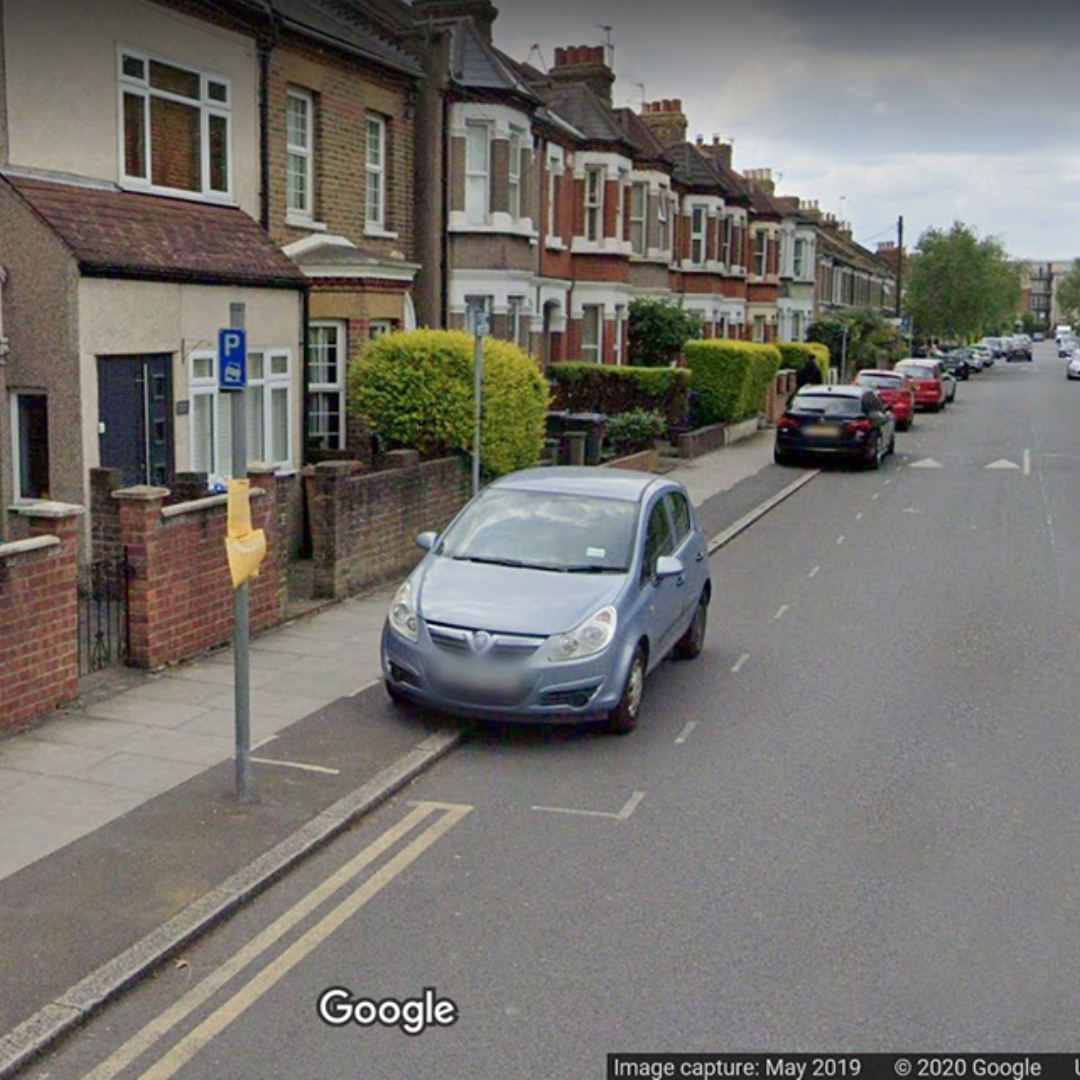

The government has now published its response on managing pavement parking. The headline is a shift toward a locally-led approach: rather than a single national ban, the government intends to enable local transport authorities to prohibit pavement parking across their areas at the next legislative opportunity.
Alongside that longer-term change, the government also plans an interim step in 2026: secondary legislation to let councils with civil enforcement powers take action against “unnecessary obstruction” of the pavement, supported by statutory guidance so application is clear and fair.
Why this matters
Pavement parking isn’t just a nuisance, it can remove safe space for people walking and wheeling. The government response restates the core objective: keeping pavements accessible and safe, particularly for disabled people, parents with buggies, and anyone who may be forced into the carriageway when footways are blocked.
What we’ve learnt: the “joined-up” model works best
Across our work with local authorities, progress tends to come when pavement parking is tackled as a whole system, not just an enforcement issue. A practical way to think about it is three connected stages:
1) Build a clear evidence base (so decisions are defensible)
Before any policy or enforcement changes land well, councils need a simple, shareable understanding of:
- Where pavement parking is happening (and how severe it is)
- Who is most affected (accessibility pinch points, routes to schools, health services, town centres)
- What local constraints exist (street widths, loading needs, housing patterns)

For the City of Edinburgh Council, we structured an initial desktop assessment across adopted roads and applied a Red/Amber/Green (RAG) classification to help prioritise streets: (link to case study)
- Red: significant pavement parking; likely mitigation needed
- Amber: moderate pavement parking; prohibition may be possible with minimal impact
- Green: no pavement parking; prohibition straightforward
This created a robust database to support future monitoring and decision-making.
2) Turn evidence into workable street-by-street options with communities
This is the bit that’s often underestimated. Even when the destination is clear, safer, more accessible pavements, the route needs to be locally workable. That typically means:
- Identifying where a prohibition is “easy win”
- Flagging where mitigation is needed (e.g., marked bays, small design changes, rebalancing kerbside space)
- Explaining why changes are happening and what will change on each street
3) “Close the circle” with consistent enforcement and strong back office
Rules only work if they’re applied consistently, and if the public experience is fair, timely and transparent. That means:
- Clear operational plans and training for officers
- A sensible transition period (so people understand what’s changing)
- Back-office capability that can handle enquiries, evidence, challenges and payments efficiently
Through our sister company NSL, we’ve helped authorities strengthen this final link with notice processing, multi-channel customer operations, and timely handling of challenges/representations.
The opportunity now
With government moving toward local prohibition powers and interim obstruction enforcement, many councils will be asking: where do we start, and how do we do this fairly? In our experience, the answer is: start with a clear evidence base, translate it into practical, street-by-street options with local communities, and back it up with consistent enforcement supported by clear guidance.
Done well, this approach protects footway access for those who rely on it most, builds public understanding of what’s changing and why, and gives councils a deliverable path from policy intent to on-the-ground improvement.